Our intervention approach to reduce morbidity, mortality, inequalities and social and gender-based violence is based on three key principles, namely:
1. Prevention is better than cure;
2. Mastery of health determinants is the cornerstone for guaranteeing complete well-being to individuals and communities;
3. The gender-based approach and women's empowerment is the guarantee of a bright future for humanity;
Our Organization's efforts are focused on contributing to the improvement of living conditions favorable to health, strengthening population resources and the gender approach. Health and gender promotion is therefore our daily battle.
Health promotion is a process that enables individuals to better master the determinants of their health and thus improve their well-being. It aims to improve living conditions favorable to health and strengthen population resources. As a branch of public health, it encompasses various intervention strategies and involves active population participation. Health promotion projects are also supported in areas such as nutrition, physical activity and mental health.
Health determinants are factors that influence the health status of a person or population, whether individual, social, economic or environmental. These factors are not only related to the presence or absence of diseases, but encompass a wide spectrum of conditions that affect well-being.
Our organization's interventions take into account the following factors:
Individual factors:
- • Biological: Age, sex, genetics, etc.
- • Behaviors: Diet, physical activity, tobacco and alcohol consumption, sexual behaviors, etc.
Social factors:
- • Income and social status: An individual's income level and social position influence their access to resources necessary for good health (food, housing, education, etc.).
- • Education and literacy: A higher level of education is often associated with better health choices and better understanding of health information.
- • Employment and working conditions: Stable employment and safe working conditions are essential for physical and mental health.
- • Social support and coping capacity: Having a strong social network and being able to cope with life's difficulties are important for health.
Economic factors:
- • Access to health care: Equitable access to quality health services is an essential determinant of health.
- • Housing and food security: Safe housing and adequate nutrition are fundamental to health. By encouraging agropastoral activities, we support families in accessing quality food and building more stable living environments, thus promoting the well-being and dignity of populations.
- • Infrastructure and basic services: Access to drinking water, sanitation and other basic services is crucial for health.
Environmental factors:
- • Physical environment: Air and water quality, exposure to toxic substances, etc., can have a significant impact on health.
- • Social environment: Violence, discrimination and other forms of social inequalities can have negative consequences on health.
Health system:
- • Quality of care: Access to quality health care is an important determinant of health.
- • Prevention and health promotion: Prevention and health promotion policies and programs can have a significant impact on health determinants.
TEMPS International offers services taking into account the three principles mentioned above and health determinants. These include, for example:
Development of community health investment cases
- • The effects of the COVID-19 pandemic demonstrate globally and in real time the vulnerability of current health strategies and systems, even in high-income countries in Europe, Asia and the Americas.
- • The development of "local health system analysis and modeling tools" provides generic toolkits for analyzing and monitoring bottlenecks and modeling coverage boundaries and strategy costs to guide investment plans for equitable, sustainable and resilient health systems in the context of pandemics and other shocks.
Health Information and Education
- • Provision of information and educational programs to help individuals better understand their health and acquire skills to make choices favorable to their well-being.
Sexual and Reproductive Health Services
- • Access to health care related to the health of women, children and adolescents, including family planning and prevention of reproductive-related diseases.
Prevention Services
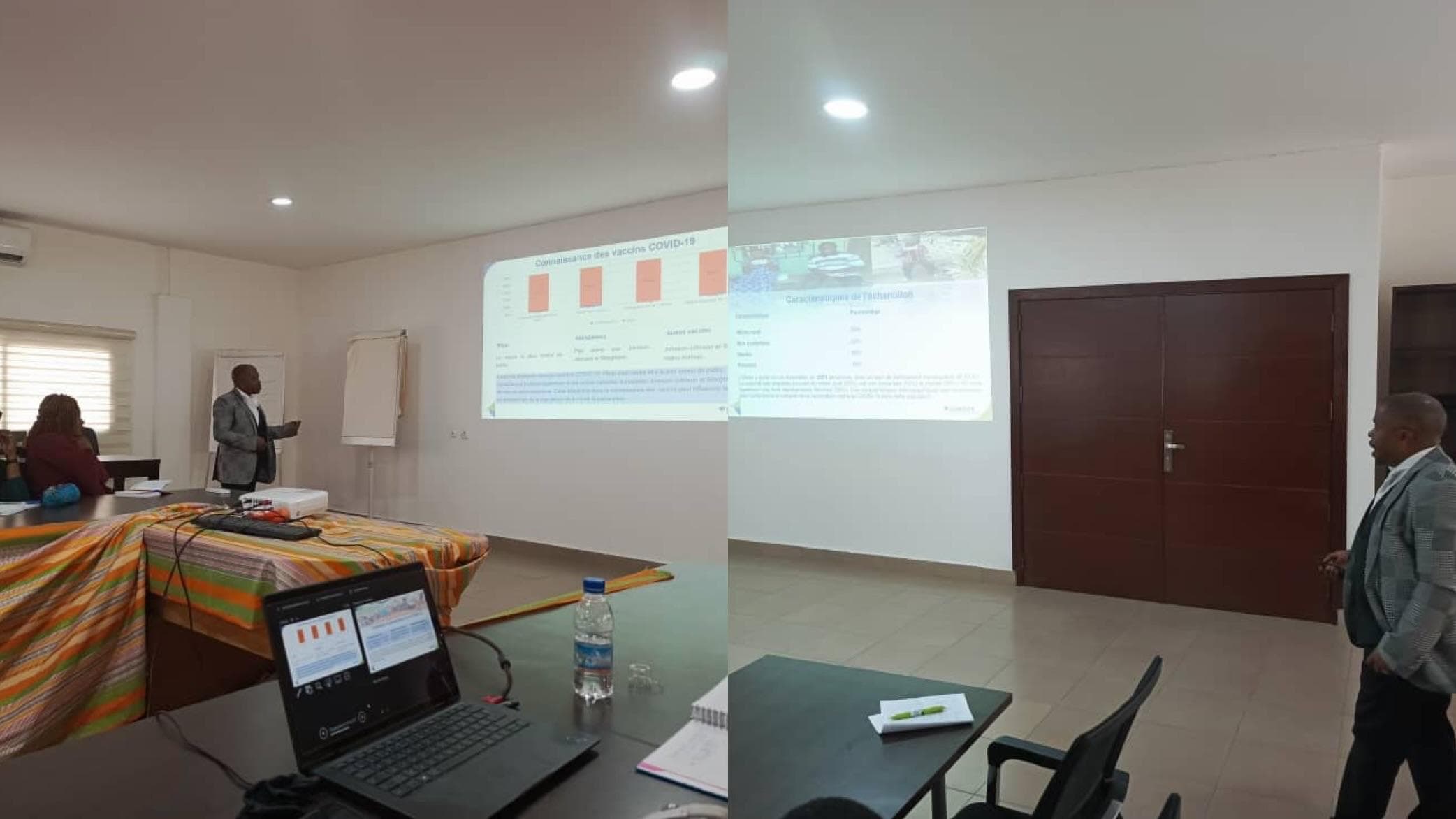
- • Measures aimed at reducing the incidence of diseases, such as vaccination, and early detection of conditions (e.g., breast and uterine cancers).
Development of enabling environments
- • Creation of conditions that support a healthy lifestyle, particularly through public policies that integrate health and gender.
Gender-based approach
- • Taking into account differences in roles, behaviors and needs between men and women in the design and delivery of health services, in order to reduce inequalities and discrimination.
Strengthening women's empowerment
- • Support for community initiatives and civil society organizations to promote health and gender equality.
Reduction of gender-based violence
- • Implementation of programs to combat gender-based violence, a major determinant of the health of women and children.
Target actors of our interventions:
- • International organizations
- • Governments and national institutions
- • Civil society and communities
- • Health care providers